Fresh vs. Frozen Embryo Transfer: How to Decide Which Approach is Best for Your Body
by Daphne Brame, last updated 23 Mar 2026,
3 min read
Fresh vs frozen embryo transfer is not a “better or worse” question, but a “what is best for your body right now” decision. This short guide explains the basics of each option, when we might prefer one over the other, and how you can discuss it calmly with your medical team.
What Is a fresh embryo transfer?
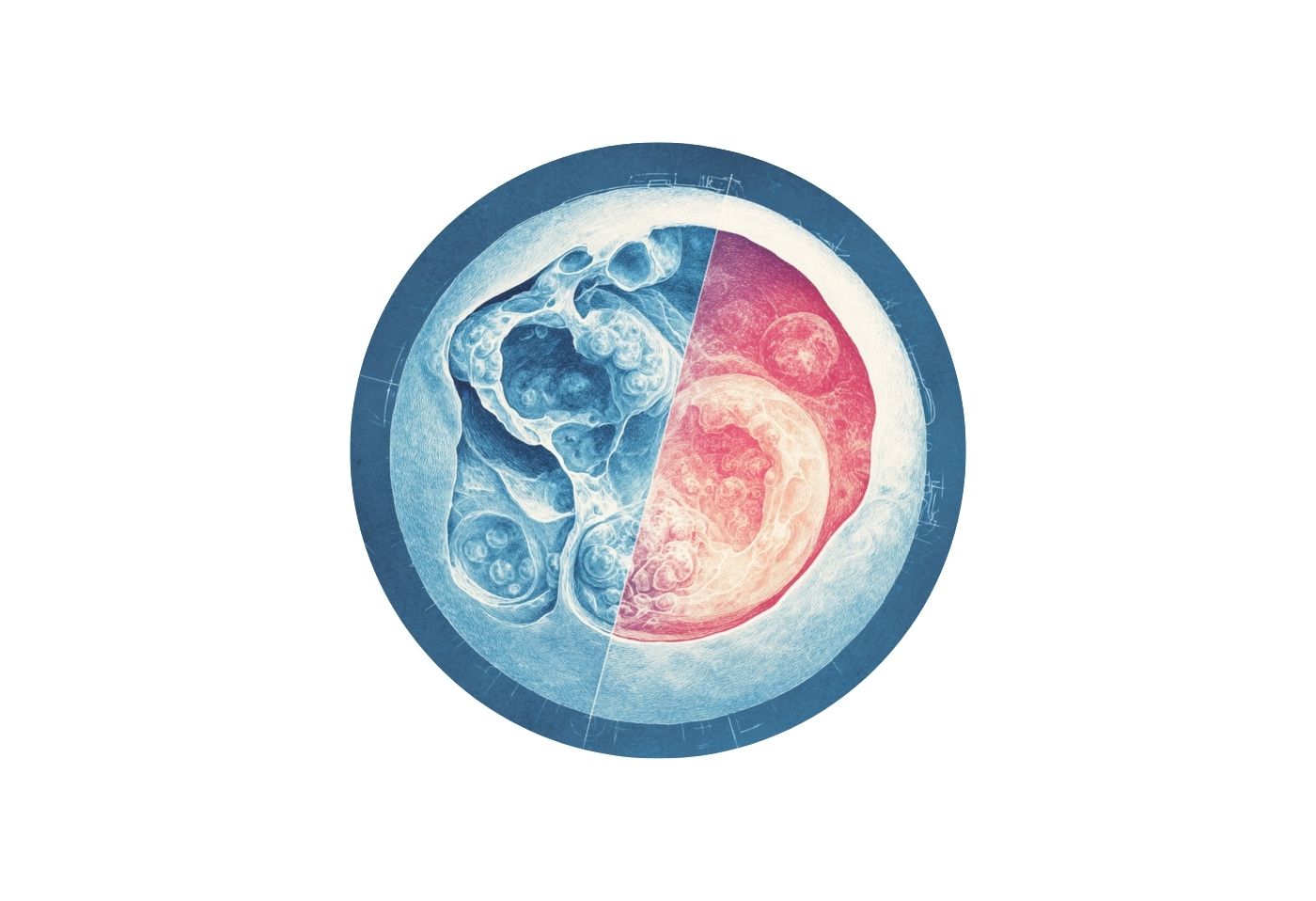
In a fresh embryo transfer, the embryos are placed into your uterus in the same cycle in which your eggs were collected. The process - stimulation, egg collection, fertilisation and transfer – usually takes place over roughly two weeks. Your uterine lining is supported with specific medication, and the transfer typically happens a few days after collection (often on day 3 or day 5). Many women like this option because everything moves forward without a long break between steps. Doctors usually suggest a fresh transfer when your hormone levels, endometrial lining and overall response to stimulation look stable and there is no significant risk of overstimulation.
What Is a frozen embryo transfer (FET)?
In a frozen embryo transfer, good‑quality embryos are vitrified (frozen) and transferred in a later cycle, when your body is in the best possible condition for implantation. The embryos are stored safely in liquid nitrogen using modern cryopreservation methods, which protect them until you are ready to proceed. Your transfer cycle can either follow your natural ovulation or be supported with oestrogen and progesterone to carefully prepare the uterine lining. This approach offers more flexibility with timing and allows your doctor to focus on creating an ideal uterine environment without the immediate effects of recent stimulation. Frozen embryo transfer is particularly helpful when your ovaries have responded very strongly to medication, your hormone levels are high, or your endometrium did not develop as planned during the stimulation cycle.
When might frozen be gentler on your body?
A frozen embryo transfer can be a gentler choice when your follicle and oestrogen levels are very high, your lining is thin or out of sync with your embryos, or you need time to recover, complete extra tests or stabilise another medical condition. In these cases, giving your body a short “reset” and choosing a freeze‑all strategy can protect your health while safely preserving your embryos for a well‑timed, carefully planned transfer.
Key factors to discuss with your doctor
When choosing between a fresh and a frozen embryo transfer, your doctor will consider your age, ovarian reserve, how you responded to stimulation, the number and quality of embryos, the condition of your endometrium and any other medical issues or previous IVF cycles. There is no single “right” option for everyone; the best approach is the one that fits your medical situation and feels emotionally manageable, while keeping your safety first. Your IVF team will walk you through the pros and cons in simple terms and help you decide on a plan that feels safe, realistic and hopeful for you.
Don’t hesitate to contact our medical team and book a free medical consultation with us. We’ll be with you every step of the way.

Daphne Brame, BSc, MSc
Daphne is a International Patient Coordinator at Newlife IVF.